On the road between the big ball of twine and our end-of-day goal to be in Colorado Springs, we stopped at a National Historic Site – the town of Nicodemus. It is the oldest remaining black settlement west of the Mississippi River. Land developers advertised home sites and affordable plots of land to freed slaves in Kentucky. When it was admitted into the Union in 1861, just before the Civil War, it was a free state. After the war, with the expansion of the railroad and free or affordable land, lots of people flooded into the state. For freed slaves, this gave them a way out of tenement farming and share cropping which essentially kept them trapped in poverty in former slave states.
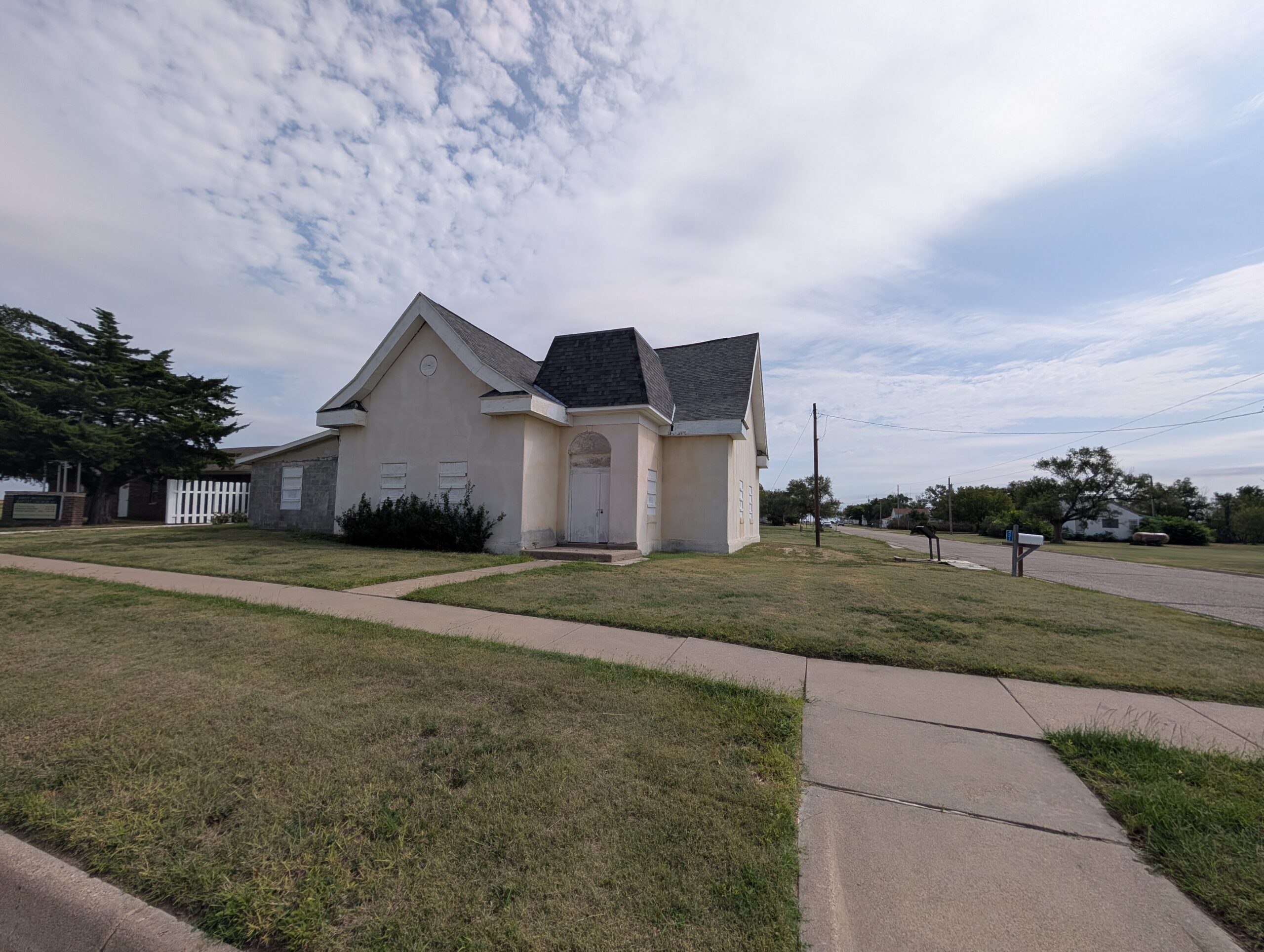
The town of Nicodemus was established in 1877. Settlers purchases a home sites in town and could file a claim for 160 acres of public land. Inside one of the five buildings that make up the site (established in 1996) is the Township Hall. It contains wonderful exhibits that tell the stories of the families that settled, thrived, struggled with the routing of the railroad away from this part of the state, and the descendents of those families that still remain. About 20 people still call Nicodemus home. It is very much a living legacy of those that desperately wanted the opportunities to write their own destiny.
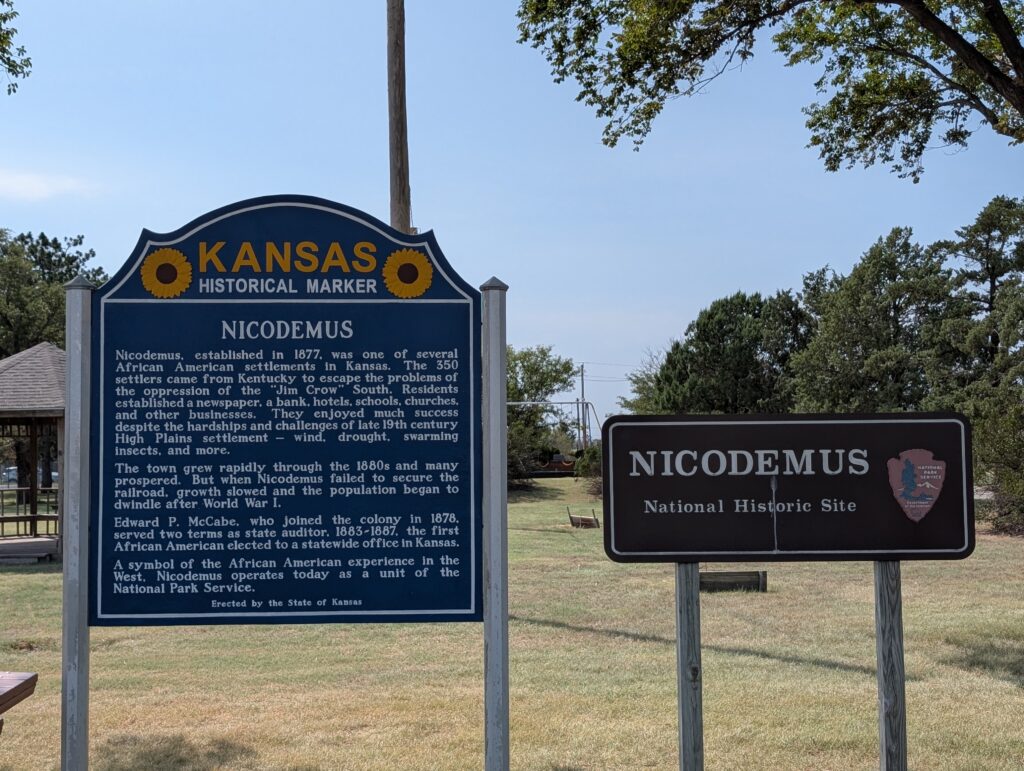
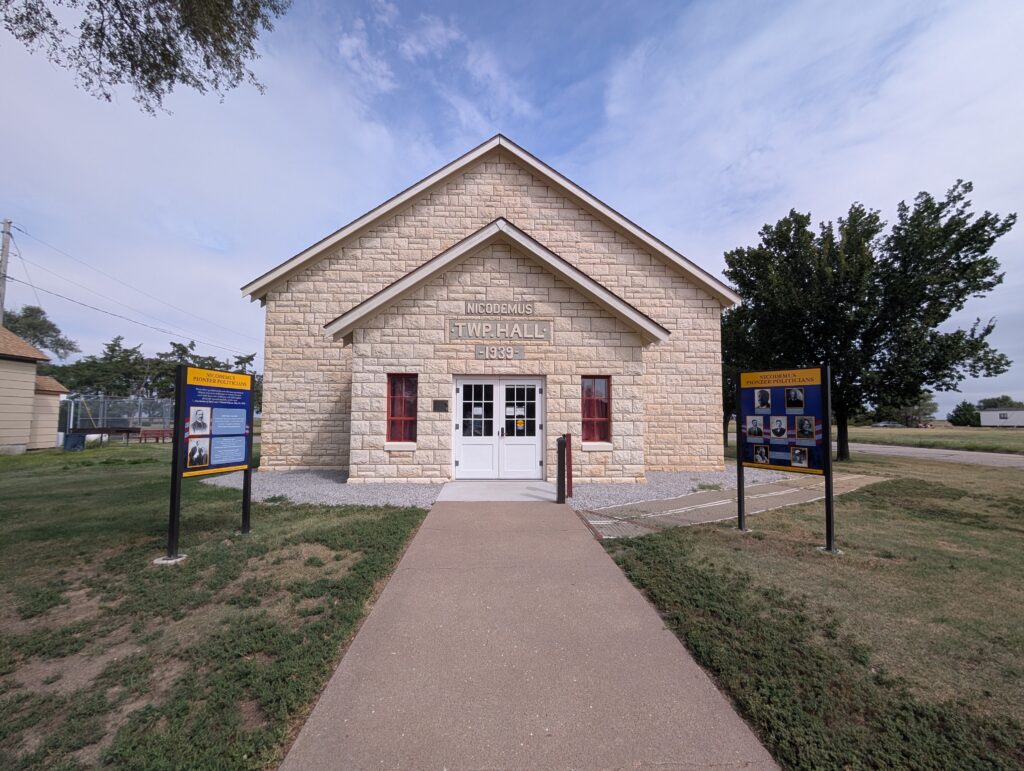
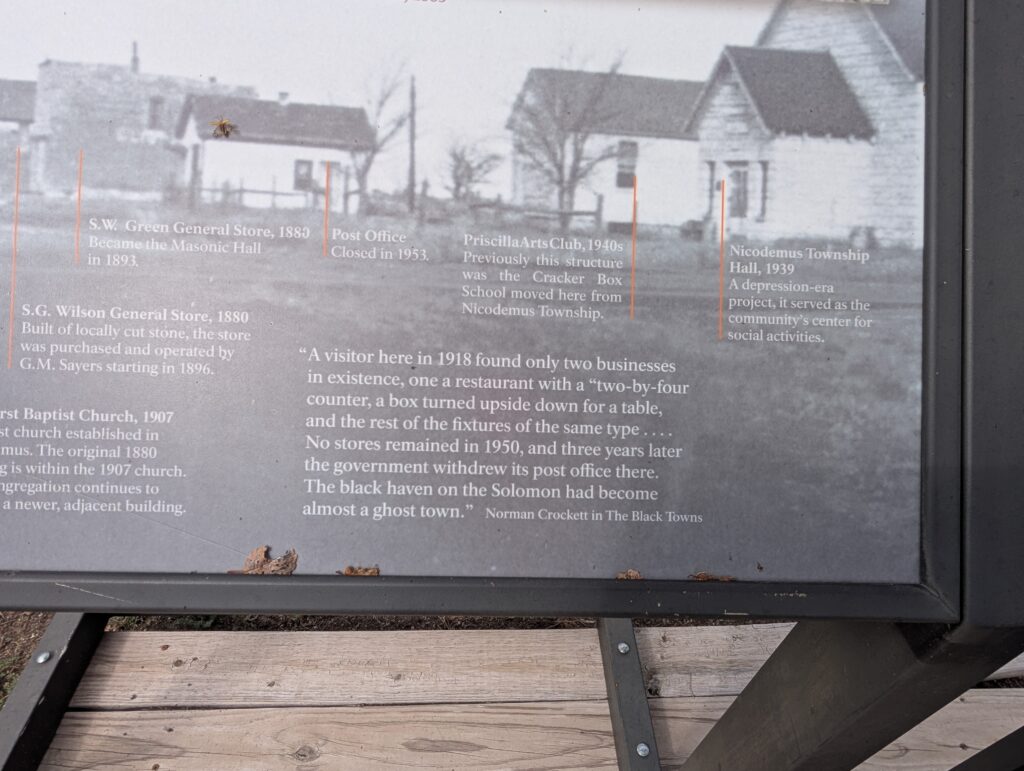
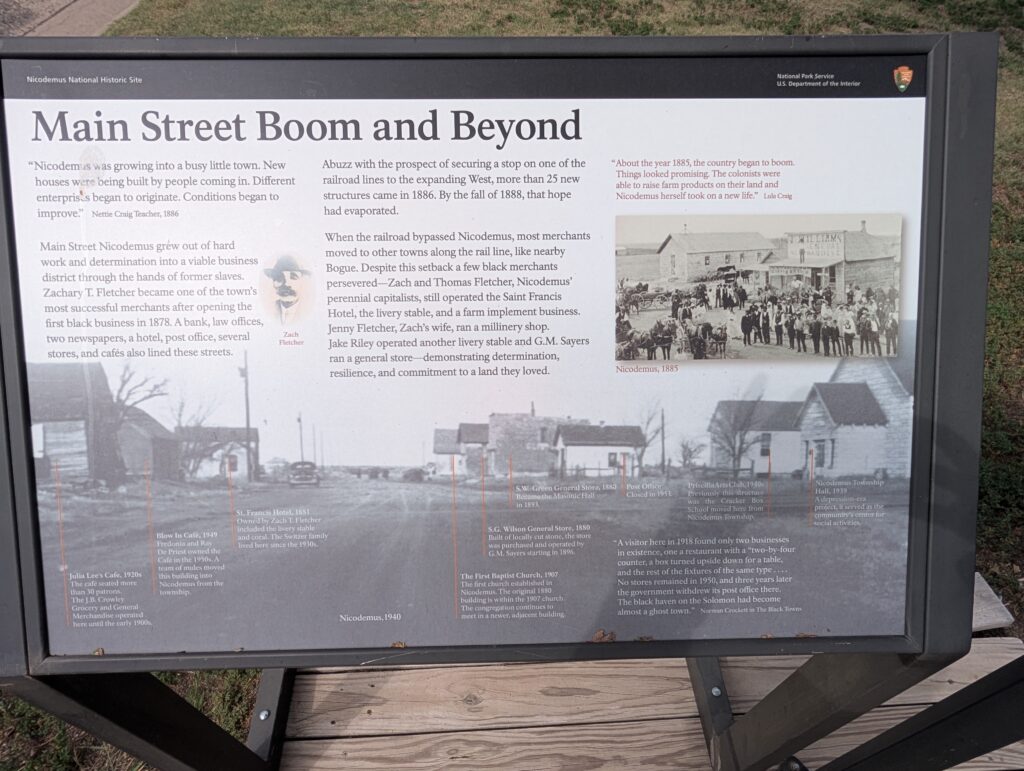
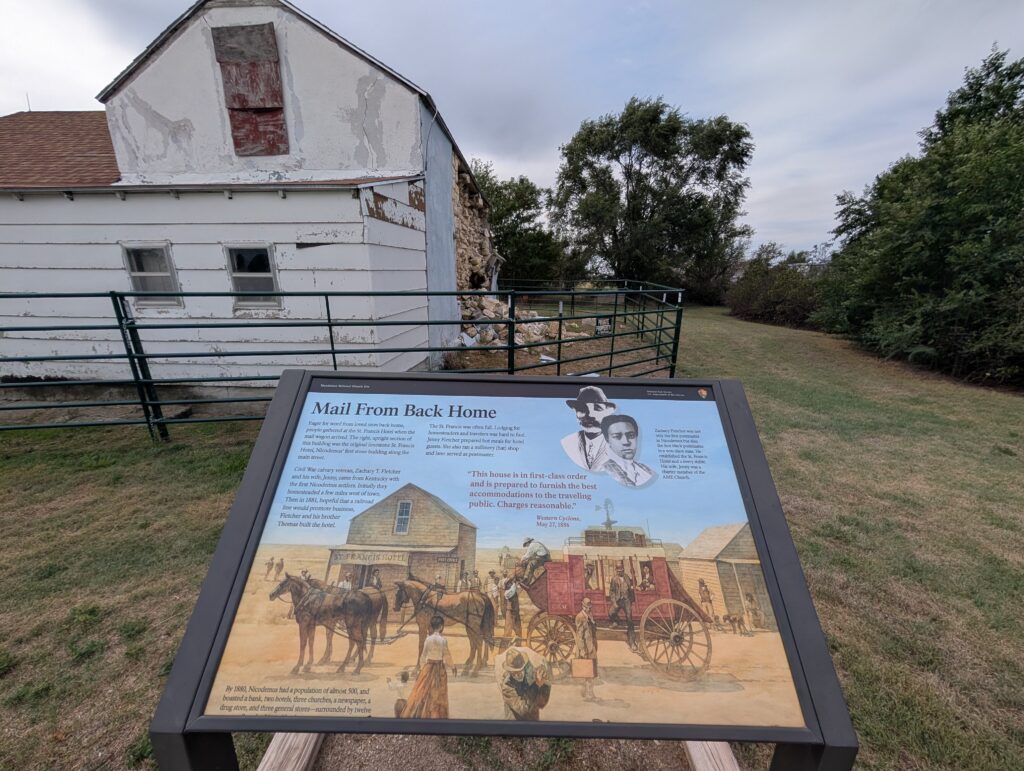
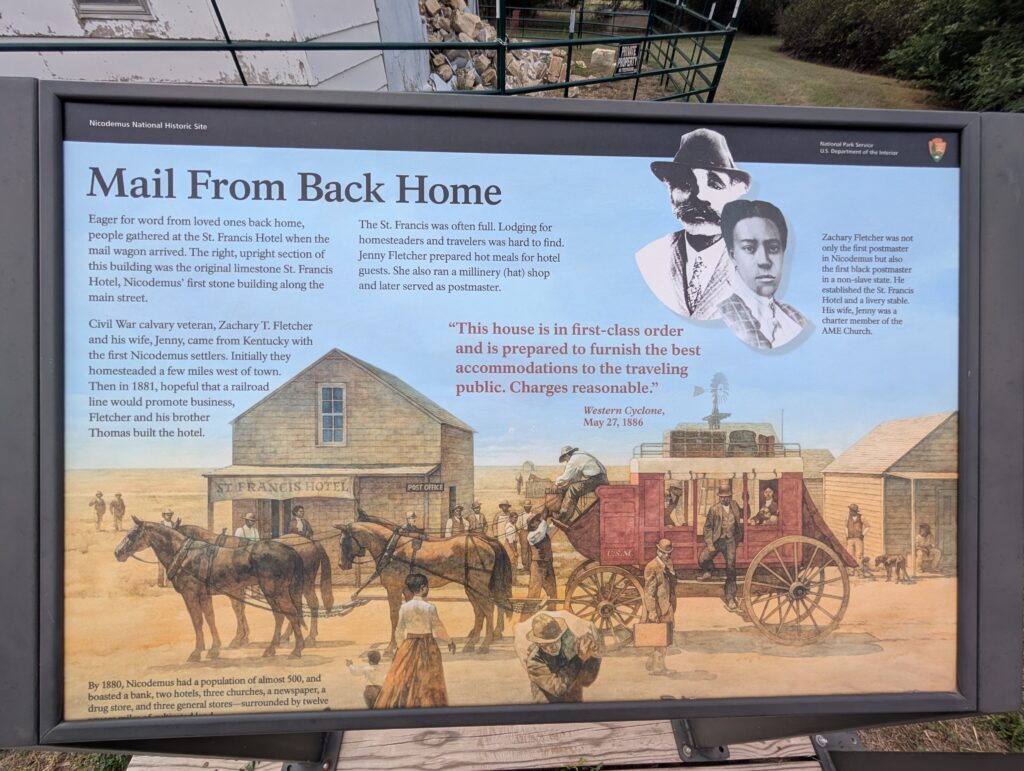
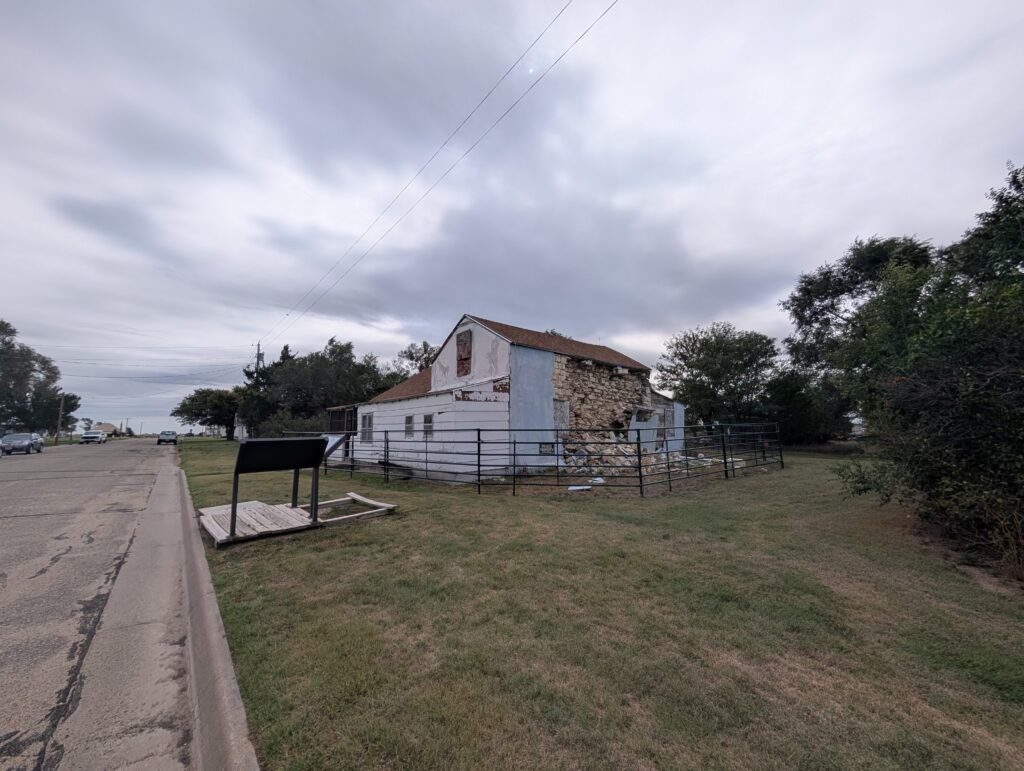
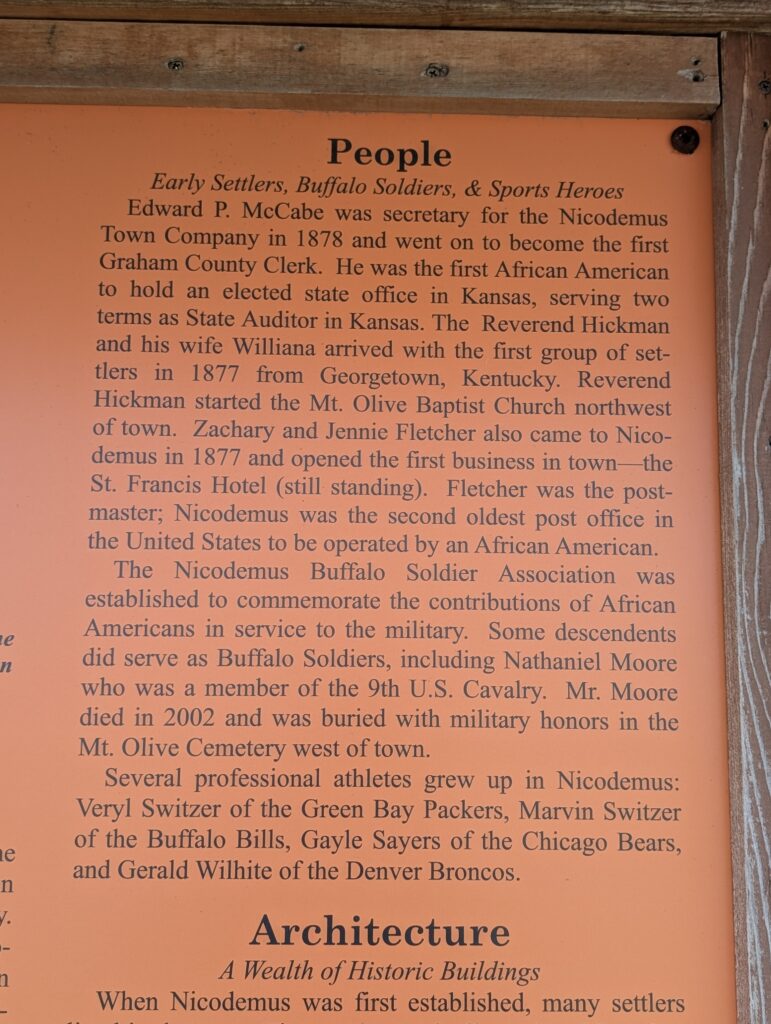
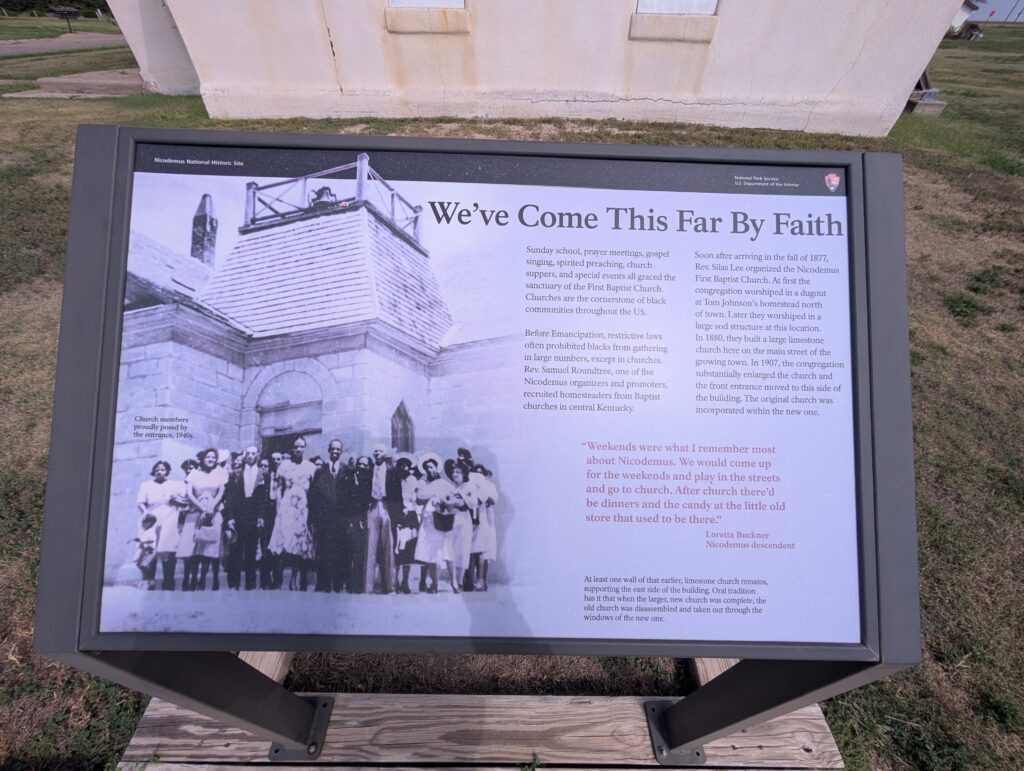
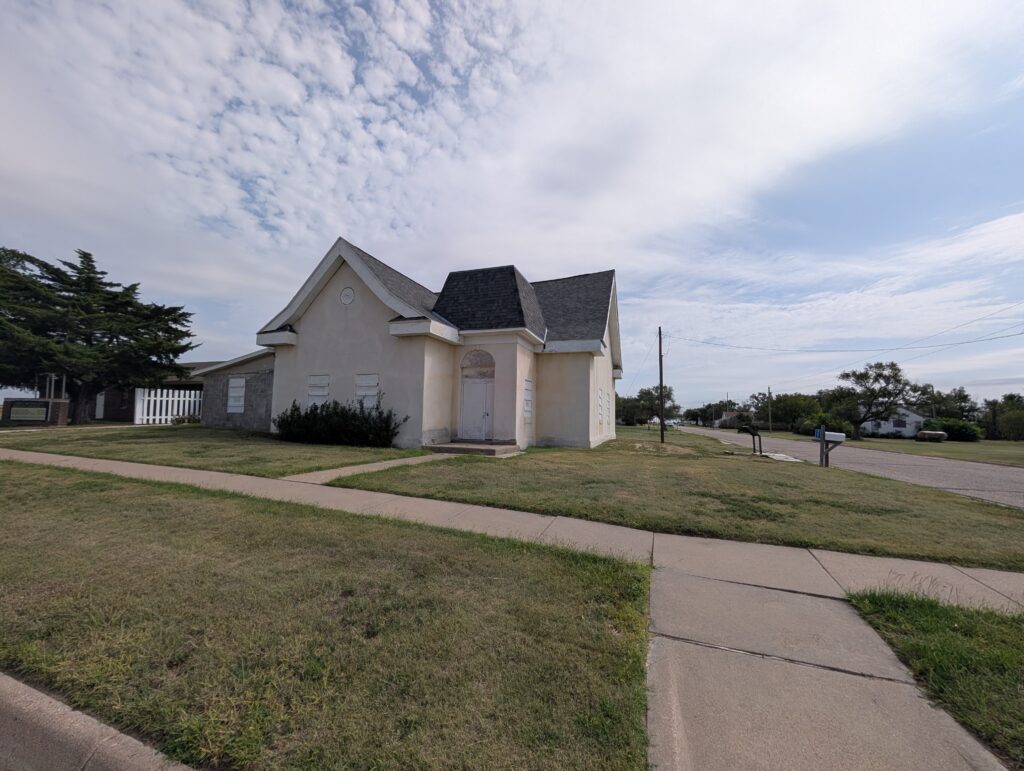
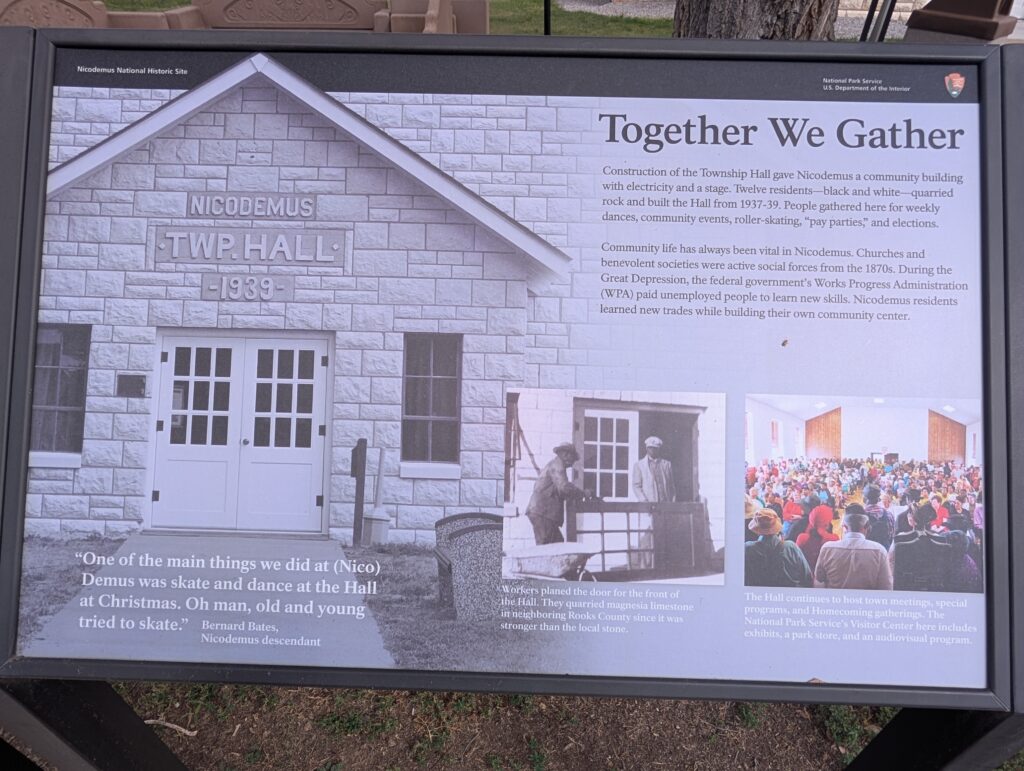
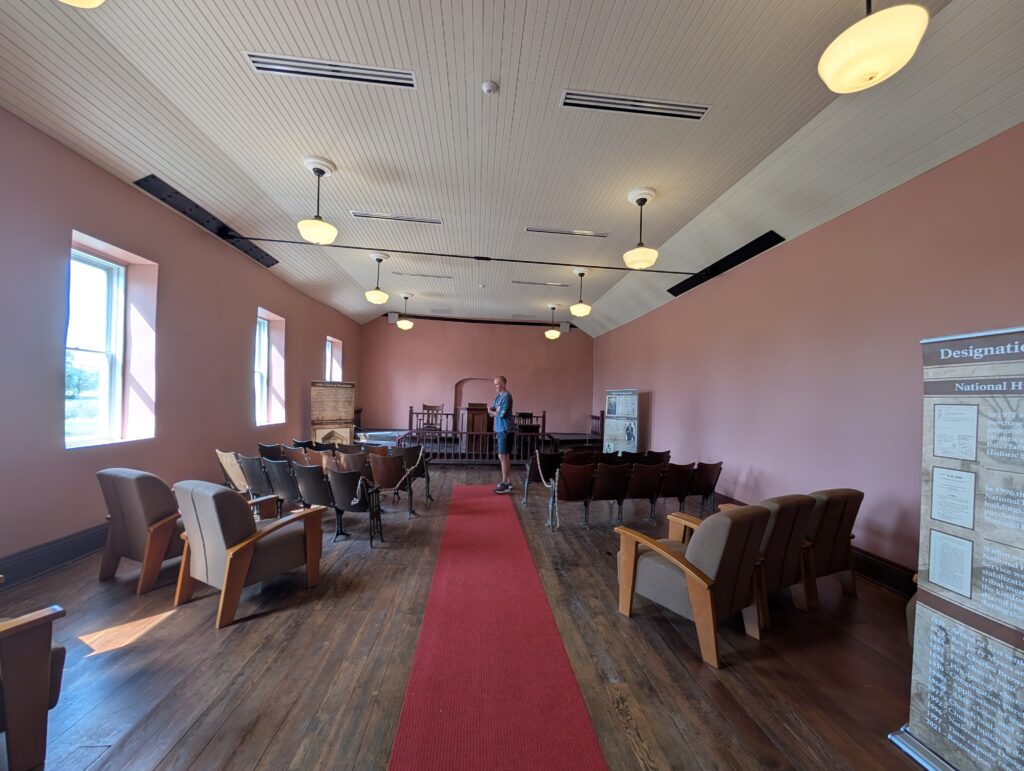
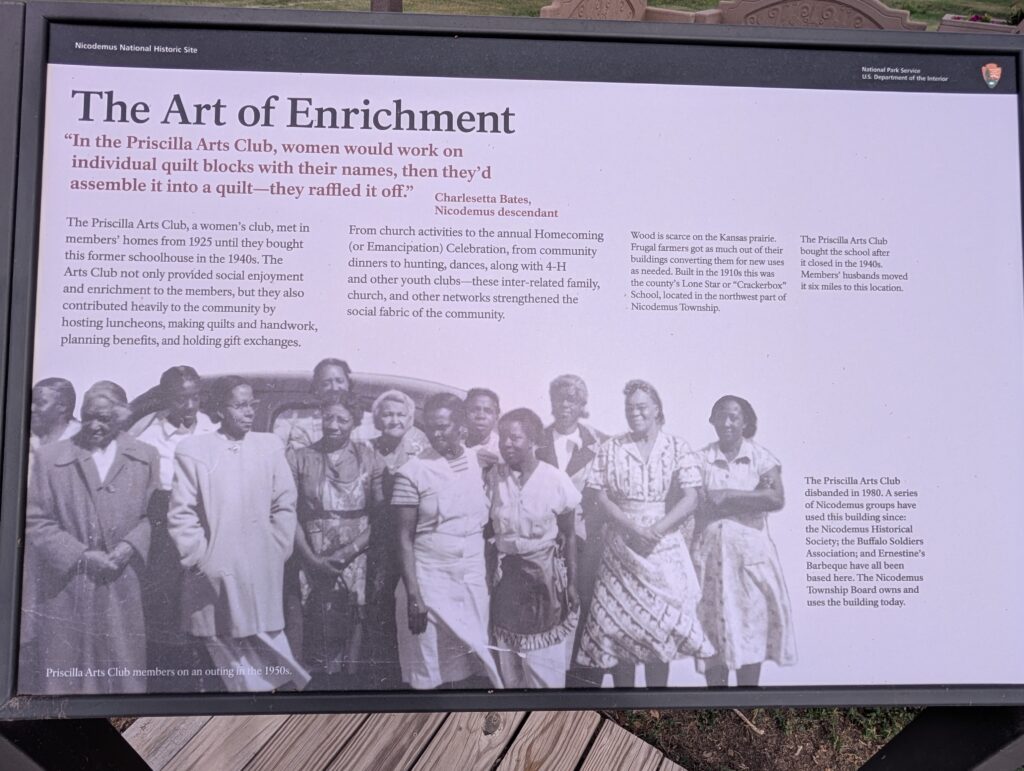
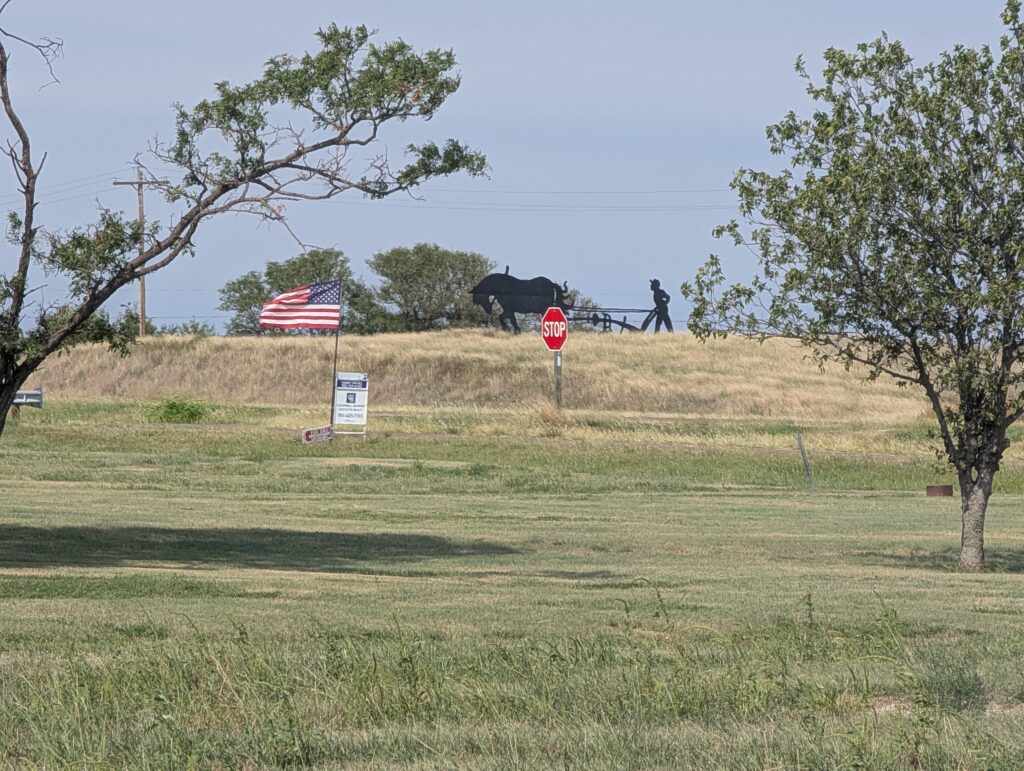
As we read, the first groups that came had quite the shock. A lack of trees and lumber initially meant many started out in dugout houses. It reminded me of the stories I read from Pie Town Woman of families in the depression in New Mexico. Partially dug into the soil, temps could be moderated somewhat and there was protection from storms and wind. By 1899, there were 114 homestead patents that totaled 18,126 acres of land. One woman’s account on the interpretive material is how she arrived with her husband in a horse-drawn wagon. The settlement was pointed out to her by the smoke arising from chimneys. She was quoted as saying she began to sob in realizing where she would be living.
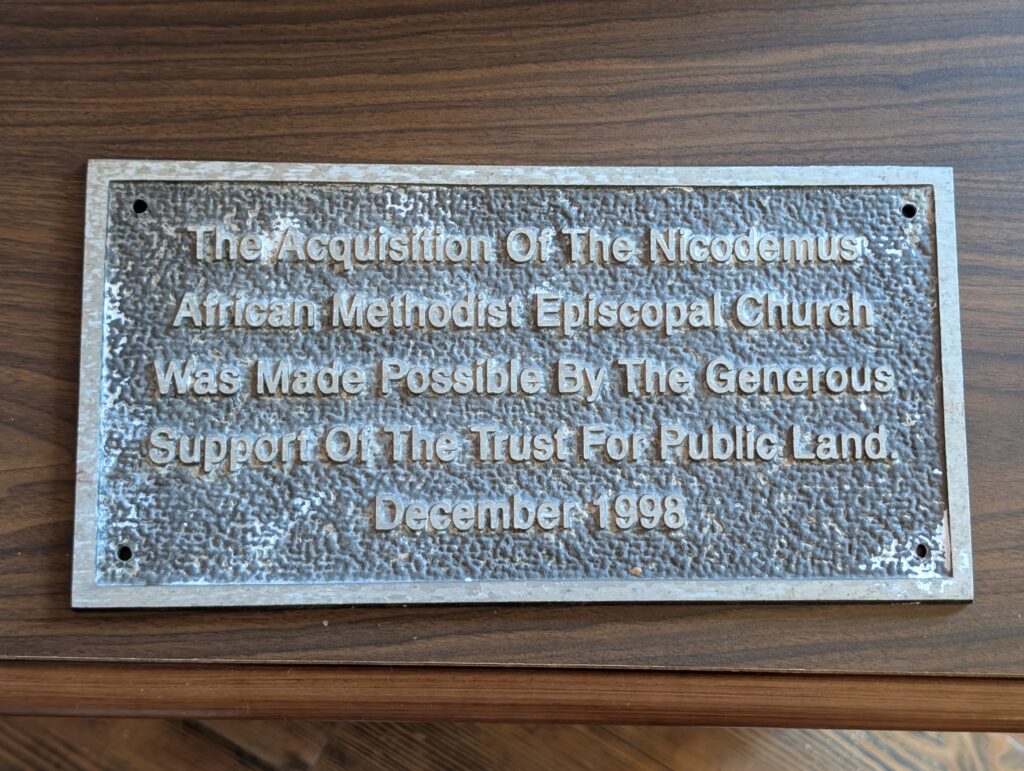
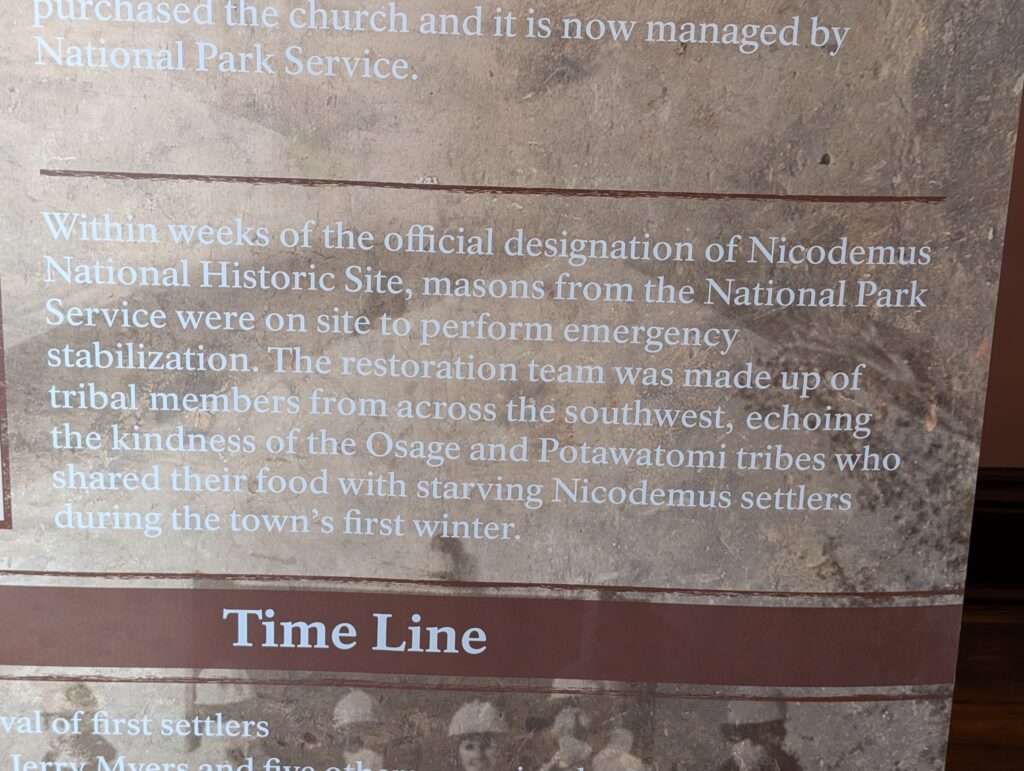
Another panel in the AME Church building mentioned that at least during the first year, local Native Americans, the Osage, provided food and support to help them get established and accustomed to living in a landscape that was hugely different from where they had come. For me, I found the accounts so humbling and powerful. These were people that truly fought to make a living here. They may not have had much to start, but then it is a reminder of what truly is important and how many times, pioneers in our culture just made it happen.
As a bonus, I learned about the Passport to the National Parks program and bought one for us. At each National Park or Historic Site, you can get a stamp. I added our stamp for this one and have plans to customize it. We plan on visiting quite a few national parks before the end of the year
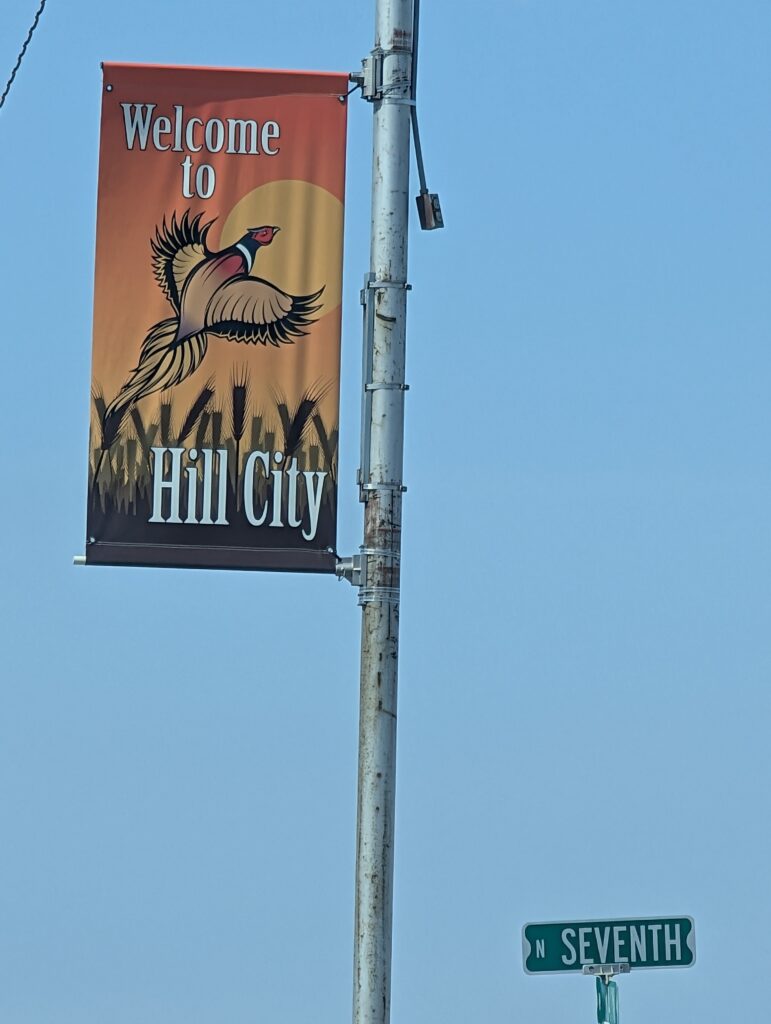
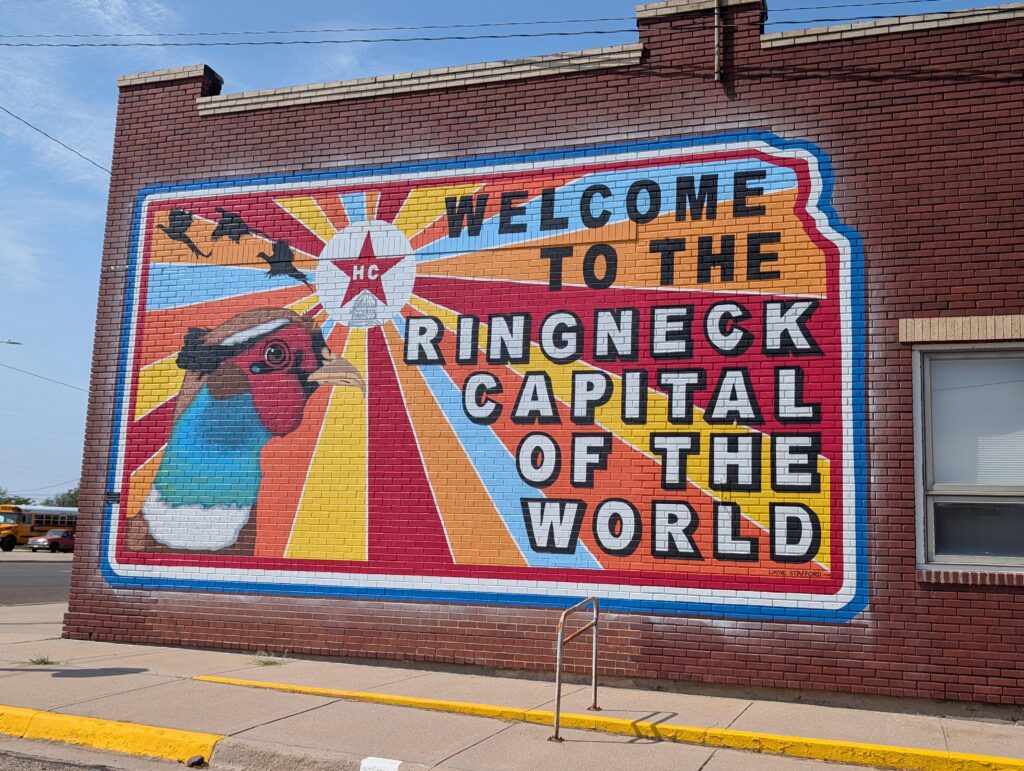
Not too far down the road, we encountered another small western Kansas town – Hill City. My only reason for adding it in here, is that back in our town in Maine, we have had, a ring-necked pheasant strolling about for two summers now. Everyone refers to him as Ringo and he is quite the star. We live in a pretty quiet coastal city where oddities like him are big news. So the fact that Hill City is the so called “Ring-Necked Capital of the World” caught my eye.